Data Science · University of Oregon · Class of 2026
I'm Charlie Edinger. I graduated from the University of Oregon in June 2026 with a B.S. in data science, a marketing concentration, and minors in math and business. I'm most interested in helping organizations make sense of emerging technology, the space where data, AI, and automation meet real business strategy and turn into smarter decisions. My strengths are in Python, machine learning, and analytics, and I like using them to cut through messy information and find what actually matters. Analyzing reservation data for a resort one summer showed me how a single clear insight can shift the way leaders think about a problem, and that's what pushed me toward this field. I'm looking for roles where I can help businesses adopt new technology and grow through smarter use of their data.
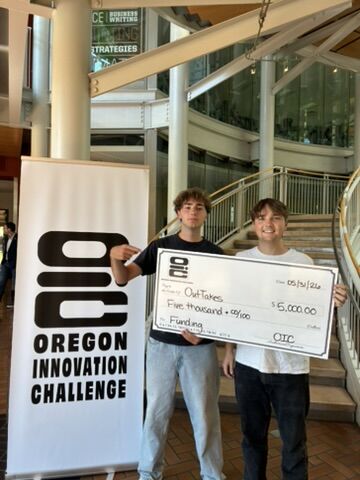
I co-founded Outtakes, a mobile app that helps users discover films by ranking them through quick head-to-head comparisons. I built an Elo rating system that updates each user's rankings in real time, translating thousands of small preference choices into a personalized taste profile. Pitching was central to the Oregon Innovation Challenge, so I worked on shaping Outtakes into a clear, fundable story and presenting it to a panel of judges and entrepreneurs. I refined the pitch across multiple rounds, sharpening how I explained the problem, the product, and the market, and learned to handle pointed questions on the spot. That preparation paid off when Outtakes earned an OIC Fellowship.
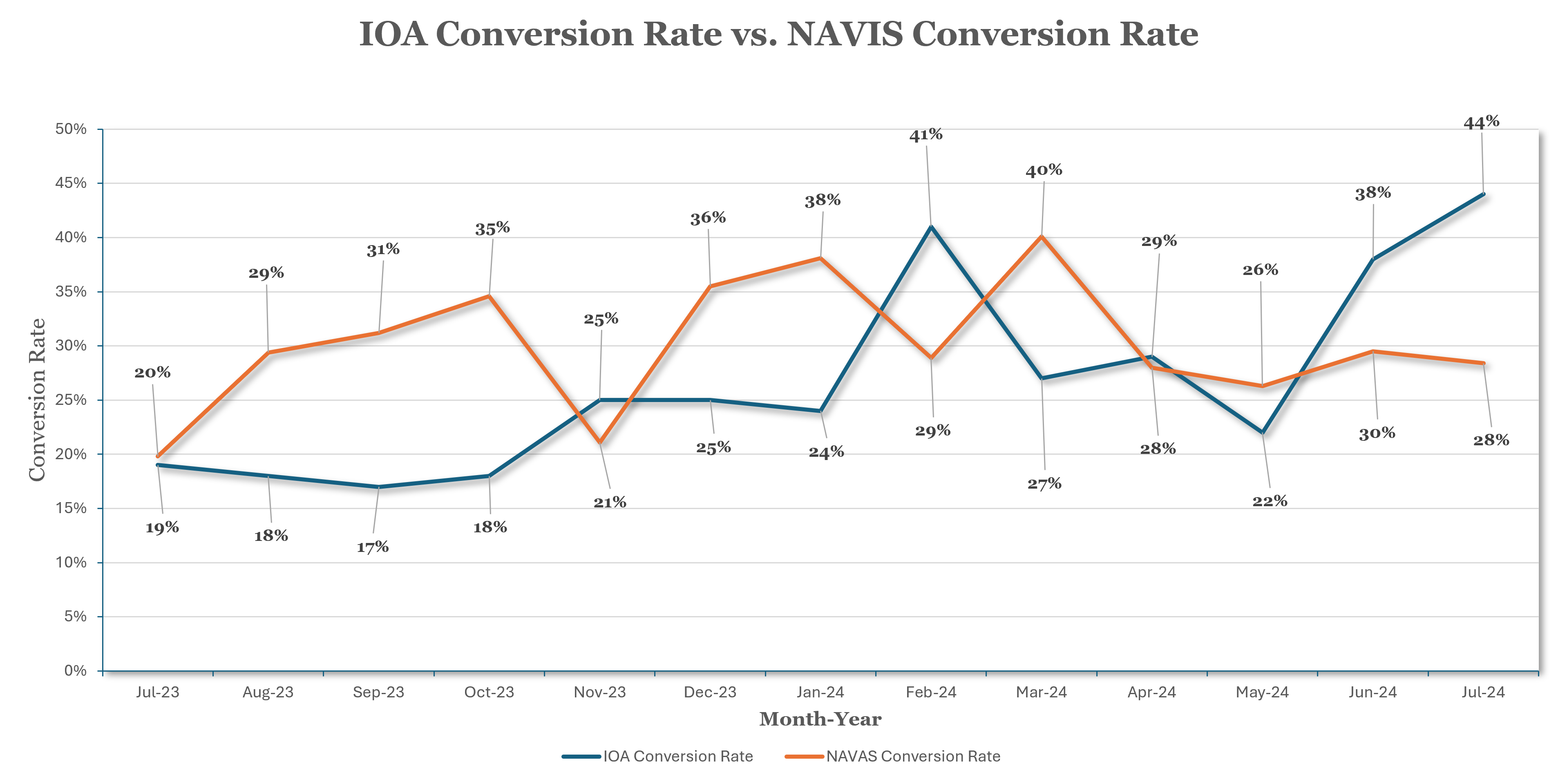
I analyzed reservation datasets for a luxury resort to compare the performance of in-house bookings against third-party channels. I cleaned and processed the raw reservation data in Python, then built comparative metrics to surface where the resort was losing margin to outside platforms. I translated the findings into clear, data-driven recommendations and presented them directly to executive leadership. The work gave the team a sharper view of their booking strategy and showed me how to turn analysis into decisions people will actually use.
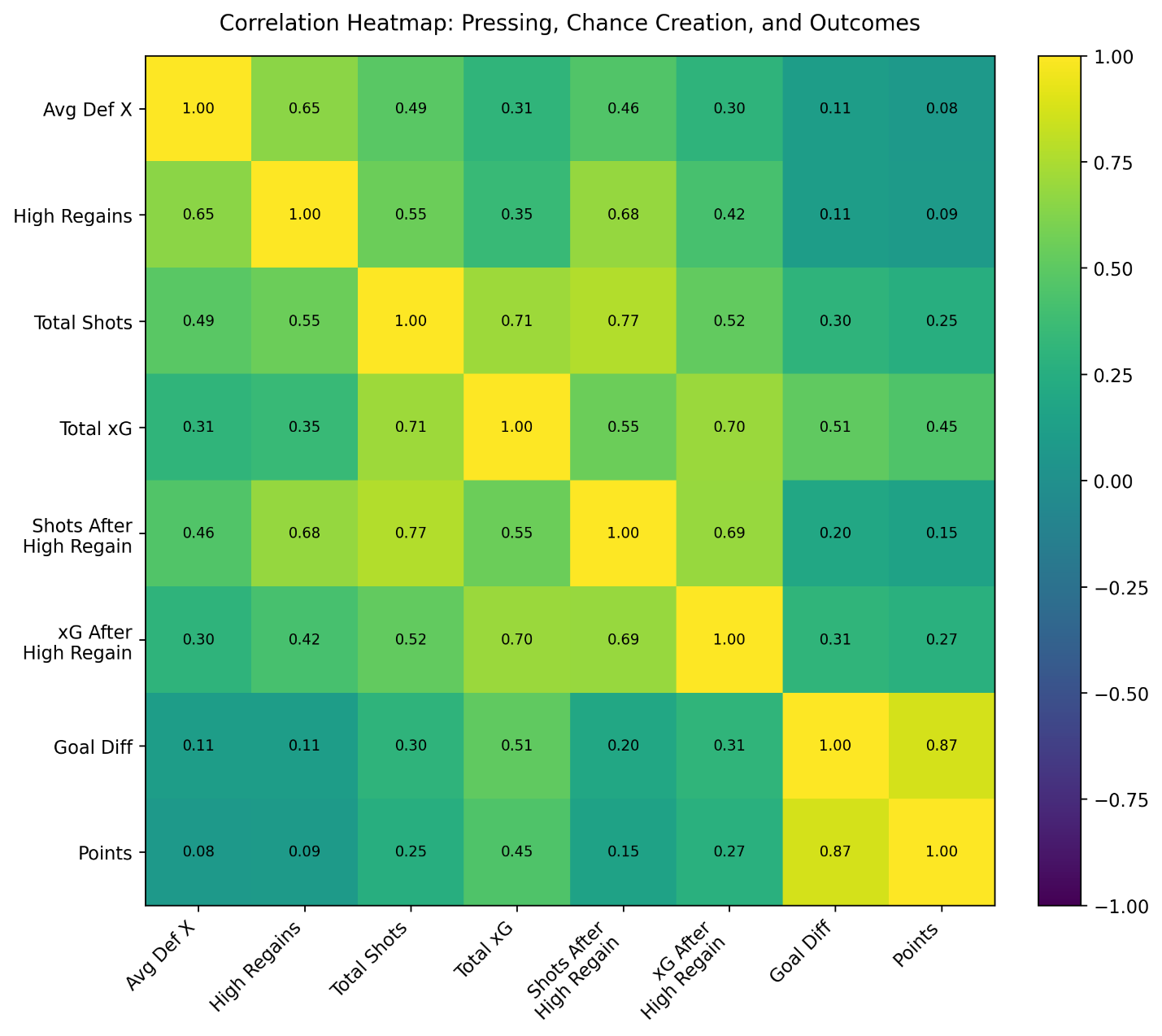
For my OBA 456 sports analytics course, I investigated whether Bundesliga teams that press high up the field create more scoring chances and win more games. I pulled event-level StatsBomb data from the 2015/16 season, reshaped 306 matches into 612 team-match observations, and engineered six variables to measure pressing intensity, chance creation, and results. I built Poisson and OLS regression models in Python, working with pandas, NumPy, and statsmodels to test the relationships. The analysis showed that pressing strongly drives chance creation, each additional high regain meant roughly 7.5% more shots, but that the quality of chances rather than pressing volume is what actually predicts match outcomes. The project sharpened my ability to turn a messy raw dataset into a clear, defensible conclusion.
Feel free to reach out about a project, an opportunity, or just to connect.